
A word with ancient roots is suddenly at the forefront of the most critical technology debate of our time. While the term Nativität has for centuries referred to the birth of Christ and its associated traditions, our team has uncovered its new, urgent meaning in tech circles: a measure of a society’s inherent fluency with artificial intelligence. This pivot from a religious concept to a strategic tech benchmark is sparking intense discussion.
→ Sérya Explained: The Dual-Meaning Behind the Trend
Key Takeaways
- The term Nativität is trending due to a new, technological definition referring to a population’s innate ability to use and integrate artificial intelligence.
- This concept of “AI Nativität” was spotted in a discussion surrounding a recent speech by AMD CEO Lisa Su in Shanghai.
- Experts believe the nation that achieves widespread “AI Nativität” first could gain a significant economic and strategic advantage over the next decade.
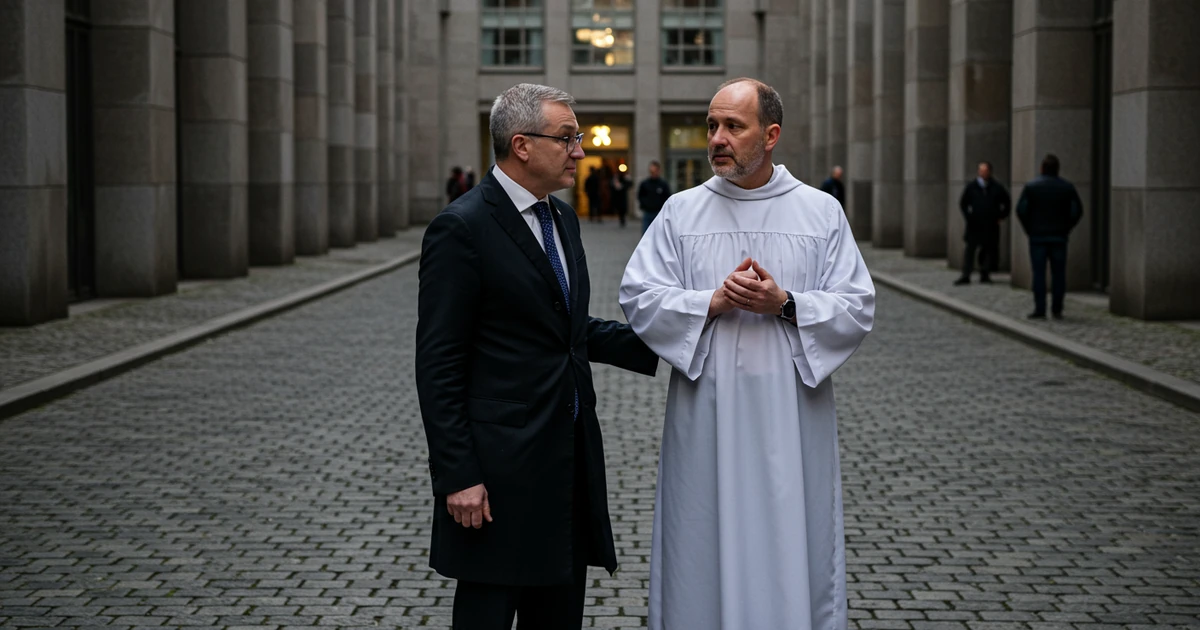
For centuries, the concept of Nativität has been a cornerstone of cultural and religious tradition, representing birth, hope, and new beginnings. Its imagery is deeply embedded in art and history, a symbol of a pivotal moment for humanity. This traditional understanding has remained largely unchanged.
However, a fascinating evolution of the word is now underway. In conversations about global technological competition, a new definition is emerging. This modern interpretation of the term is less about divine birth and more about a new kind of human evolution.
For more discussion, see this discussion on Reddit.
The New Frontier: AI Nativität
The shift was highlighted in a recent online discussion where a user commented on the global race for AI supremacy. They argued that simple AI adoption isn’t enough; the goal is a deeper, more intuitive integration.
“It’s echt gruselig, die Anzahl der Ludditen auf Reddit und Social Media zu sehen, die sich auf keinerlei Weise mit KI auseinandersetzen wollen. Weiß jemand, ob die Einstellung in China anders ist? Ich habe das Gefühl, dass das Land, das seine Bürger zur KI-Nativität ermutigen kann, in den nächsten zehn Jahren einen riesigen Vorsprung vor allen anderen haben wird.” (Translation: “It’s really scary to see the number of Luddites on Reddit and social media who don’t want to engage with AI in any way. Does anyone know if the attitude is different in China? I have the feeling that the country that can encourage its citizens towards AI Nativität will have a huge lead over everyone else in the next ten years.”)
This user’s comment reframes Nativität as a societal trait, similar to the concept of a “digital native” but for the age of artificial intelligence. It suggests a future where some populations are inherently more skilled at collaborating with and leveraging AI in their daily lives. This idea is gaining traction as nations vie for technological dominance.
Expert Q&A: Understanding AI Nativität
Our team spoke with a digital strategist to unpack this emerging concept.
What exactly is “AI Nativität” in a strategic context?
“Think of it as the next step after digital literacy. It’s not just about knowing how to use an AI tool; it’s about thinking and problem-solving with AI as a natural, seamless partner. A population with high AI Nativität would innovate faster, have more efficient industries, and could anticipate and react to global changes with greater agility.”
Why is this concept of Nativität emerging now?
“Because we’re at an inflection point. Early AI was a tool for specialists. Today’s AI is becoming a utility for everyone. As AMD’s CEO Lisa Su recently noted, the number of daily AI users is projected to explode. The nations that cultivate this intuitive, widespread skill first—essentially giving birth to a new way of thinking—will define the 21st-century economy. This makes the new sense of Nativität a critical metric to watch.”
The race is on, not just to build the best AI, but to cultivate the most effective human-AI partnership. As this new understanding of Nativität spreads, it challenges us to reconsider what it means to be fluent in the language of the future. The stakes are nothing less than a “huge lead over everyone else.”
Relevant posts
- Mistral Buys Emmi AI: Hochreiter Protégé Sells Startup
- What Is Voozon?: The Answer to the Trending Tech Term
- Beit Bart: More Than Just a Trending Keyword
Visit frugalkite.com for more stories.


 By
By

 By
By